ChatGPT/OpenAI
Black Maternal Health Week highlights that even elite athletes are not immune to the disparities that Black women face during pregnancy and postpartum, exposing major gaps in care within women’s sports. True recovery goes beyond the pressure to “bounce back” and requires intentional support, especially through proper nutrition to help athlete moms heal, rebuild, and return to top performance.
ChatGPT/OpenAI
Each April, Black Maternal Health Week isn’t just another awareness campaign—it’s a wake-up call.
In the United States, Black women are significantly more likely to experience pregnancy-related complications and death than their white counterparts. It’s a reality that’s hard to ignore. These disparities don’t stop at the hospital doors. They follow women into sports, into training, and into recovery.
Even the strongest athletes aren’t immune.
When Serena Williams nearly died after giving birth, the world was stunned. One of the greatest athletes of all time—wealthy, informed, and in peak physical condition—still had to fight to be heard. Allyson Felix faced a high-risk pregnancy with preeclampsia and later pushed publicly for better protections for athlete moms.
These aren’t rare stories.
They’re loud reminders of a system that still falls short.
There’s an unspoken expectation that women, especially athletes, should “bounce back” after having a baby. But here’s the truth: recovery doesn’t happen in 6 weeks. It can take up to a year or more.Pregnancy and childbirth impact everything including hormones, muscles, joints, energy levels. Returning to sport isn’t just about discipline or fitness. It’s about healing a body that has been through a major physiological event. And yet, the pressure to perform again and quickly is real.
If recovery is the goal, nutrition has to be part of the conversation. Let’s talk about a few important points about nutrition after delivery. Iron matters. Blood loss during childbirth increases the risk of postpartum anemia, which can show up as fatigue, poor endurance, and slower recovery. Think lean meats, beans, and leafy greens—paired with vitamin C to boost absorption.Protein is essential. Your body is repairing muscle, rebuilding tissue, and supporting immune function—all at once. Without enough protein, recovery stalls.
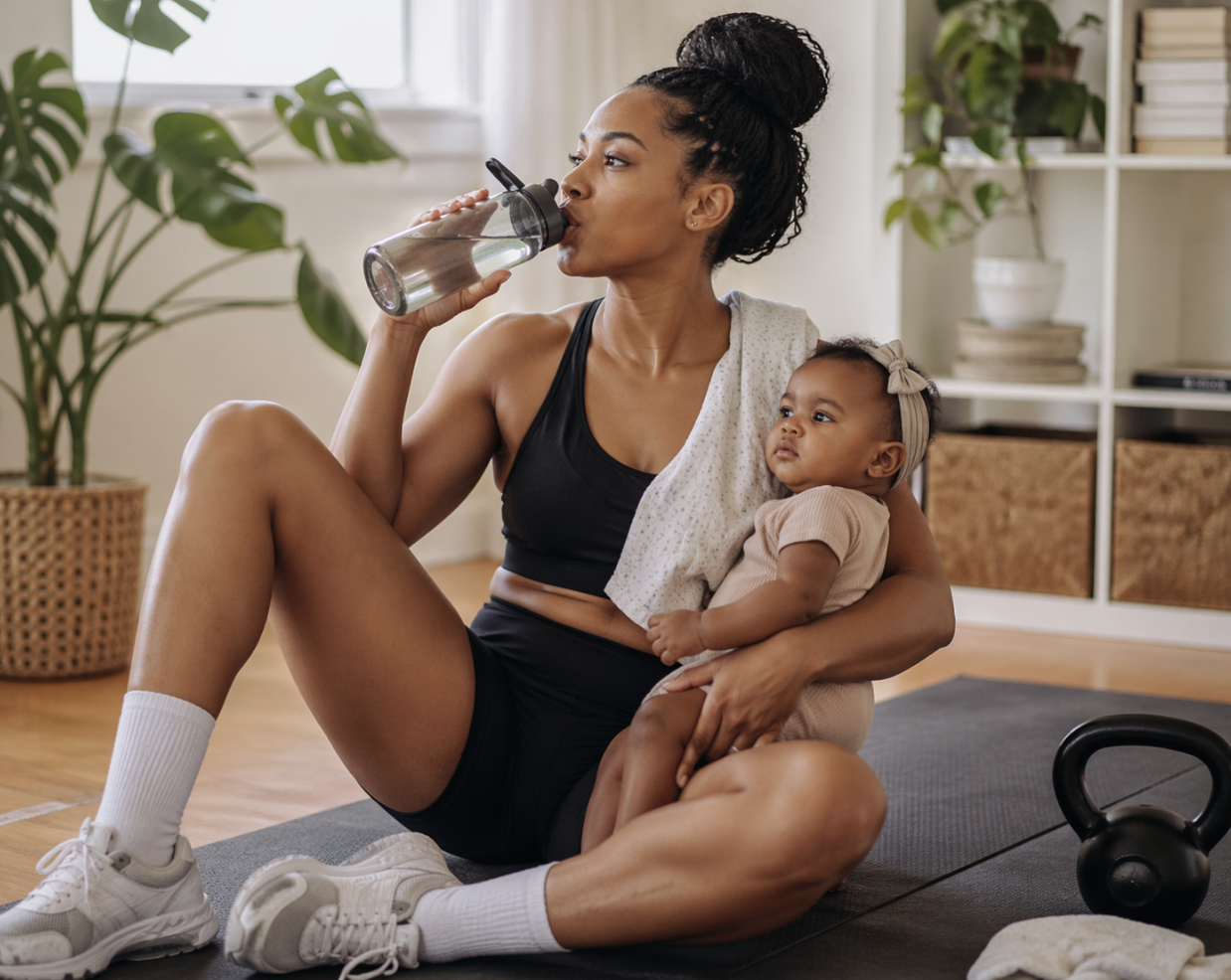
Fueling doesn’t stop after pregnancy. In fact, it becomes even more important. Many postpartum women—especially those caring for newborns—are unintentionally underfueling, which can delay healing and increase injury risk. Hydration is critical. Especially for breastfeeding moms. Fluid needs go up, and dehydration can impact energy, milk supply, and performance.
Black Maternal Health Week reminds us of something we can’t ignore: that peak performance doesn’t protect against gaps in care.If women’s sports truly want to support athletes across their full lifespan, pregnancy and postpartum can’t be treated like side notes or interruptions.They are critical phases—ones that deserve real support, realistic timelines, and proper nutrition.
The narrative shouldn’t be about how fast a woman comes back.nIt should be about how well she’s supported while she heals.Because real strength isn’t just about getting back in the game, it’s about making sure she had everything she needed to recover in the first place. And that starts with something simple, powerful, and too often overlooked: Fueling recovery just as intentionally as we fuel performance.